

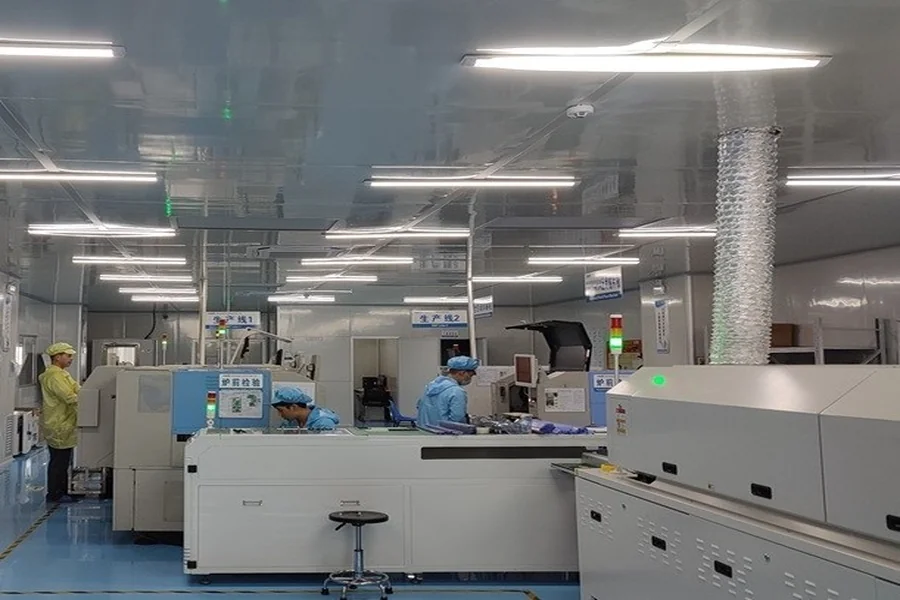
Telecom PCB assembly plays a vital role in the global communication ecosystem, supporting the infrastructure that enables voice, data, and multimedia transmission across vast distances. From mobile base stations and network routers to fiber-optic equipment and satellite communication systems, telecom PCB assembly is at the core of reliable and high-speed connectivity. As telecom networks continue to evolve with technologies such as 5G, IoT, and cloud-based communication, the demand for robust and precisely assembled PCBs has grown significantly.
Unlike standard electronics, telecom PCB assembly must meet strict requirements related to signal integrity, durability, and long-term stability. These assemblies are expected to operate continuously under varying environmental conditions while maintaining consistent performance. This makes telecom PCB assembly a highly specialized manufacturing discipline that combines advanced engineering with controlled production processes.
Key Characteristics of Telecom PCB Assembly
Telecom PCB assembly is defined by performance expectations that exceed those of many other electronic sectors.
High Signal Integrity Requirements
Telecommunication systems rely on accurate and uninterrupted signal transmission. Telecom PCB assembly must minimize signal loss, interference, and crosstalk, especially in high-frequency and high-speed applications. Careful layout execution, controlled impedance, and precise soldering all contribute to maintaining signal clarity across complex circuit paths.
Long-Term Reliability and Stability
Telecom equipment is often installed in remote or difficult-to-access locations, making frequent maintenance impractical. Telecom PCB assembly is therefore designed for long operational lifecycles. Components are assembled with an emphasis on mechanical strength and electrical stability to ensure reliable operation over many years.
Materials and Components Used in Telecom PCB Assembly
The selection of materials and components directly impacts the performance and durability of telecom PCB assembly.
Advanced PCB Substrates
High-performance laminates are commonly used in telecom PCB assembly to support high-frequency signal transmission. These materials offer stable dielectric properties and low signal loss, which are essential for maintaining network efficiency. Multilayer constructions are often employed to support complex circuit designs within compact form factors.
High-Quality Electronic Components
Telecom PCB assembly typically involves components that are rated for extended temperature ranges and continuous operation. Precision in component sourcing and placement ensures compatibility with demanding telecom standards and reduces the risk of early failures.
Telecom PCB Assembly Manufacturing Process
The manufacturing process for telecom PCB assembly is carefully structured to maintain consistency and performance across production volumes.
Accurate Component Placement
Modern telecom PCB assembly relies on advanced automated placement systems to achieve high accuracy, especially when dealing with dense layouts and fine-pitch components. Proper alignment is critical to ensuring electrical performance and mechanical integrity in complex telecom circuits.
Controlled Soldering and Assembly Techniques
Soldering processes in telecom PCB assembly are optimized to create reliable joints without compromising sensitive components. Reflow profiles are carefully managed to ensure uniform solder connections across multilayer boards while protecting components from thermal stress.
Quality Control in Telecom PCB Assembly
Quality assurance is a core aspect of telecom PCB assembly due to the mission-critical nature of telecom equipment.
Electrical and Functional Testing
Every telecom PCB assembly undergoes rigorous testing to verify electrical performance and functional accuracy. These tests confirm that signal paths, power distribution, and communication interfaces operate as intended under real-world conditions.
Environmental and Reliability Testing
Telecom PCB assembly often includes environmental testing to simulate temperature variations, humidity, and vibration. These evaluations help ensure that assembled boards can withstand harsh operating environments without performance degradation.
Applications of Telecom PCB Assembly
Telecom PCB assembly supports a wide range of communication technologies and systems.
Network Infrastructure Equipment
Core network components such as switches, routers, and base station units rely heavily on high-quality telecom PCB assembly. These systems demand continuous uptime and consistent performance, making assembly quality a decisive factor.
Wireless and Fiber Communication Systems
Telecom PCB assembly is essential for wireless transmission equipment and fiber-optic communication modules. Precision assembly ensures low signal loss and reliable data transfer across high-speed networks.
Why Expertise Matters in Telecom PCB Assembly
Telecom PCB assembly requires a deep understanding of electrical performance, thermal behavior, and long-term reliability. Experienced manufacturers are equipped to manage complex designs, advanced materials, and strict quality standards. Their expertise helps reduce production risks, improve yield rates, and ensure compliance with telecom industry regulations.
A knowledgeable assembly partner can also support scalability, allowing telecom products to move efficiently from prototype to full-scale production without compromising quality.
Conclusion
Telecom PCB assembly is a critical foundation for modern communication networks, enabling reliable, high-speed connectivity across the world. From material selection and precise assembly to rigorous testing and quality assurance, every stage of the process contributes to the performance and longevity of telecom equipment. Collaborating with trusted printed circuit board assembly suppliers ensures that telecom PCB assembly projects meet demanding technical standards while delivering consistent quality, reliability, and long-term value for the global telecommunications industry.
